


Taste the Authentic,
Flavours of Sikkim
Sikkimese cuisine is a delightful blend of Himalayan traditions, fresh local ingredients, and diverse cultural influences. From steaming momos and comforting thukpa to fermented delicacies and herbal beverages, every dish reflects the warmth, simplicity, and rich heritage of Sikkim's vibrant communities.

A Culinary Journey Through the Himalayas
Sikkimese cuisine is a flavorful reflection of the state's cultural diversity and Himalayan landscape. Influenced by the Lepcha, Bhutia, Nepali, Limboo, and Tibetan communities, the cuisine combines simple cooking techniques with fresh seasonal ingredients to create wholesome and nourishing meals. Every dish tells a story of tradition, hospitality, and life in the mountains.
The cool climate of Sikkim encourages the use of locally grown vegetables, fermented foods, herbs, dairy products, and grains. Popular dishes such as momos, thukpa, phagshapa, gundruk, kinema, and sel roti have become symbols of Sikkim's rich culinary identity, attracting food lovers from across India and beyond.
Whether enjoyed at family gatherings, monastery festivals, local eateries, or village homes, Sikkimese cuisine offers visitors an authentic taste of Himalayan culture. Exploring local food is one of the most rewarding experiences for anyone discovering the traditions and hospitality of Sikkim.
Discover Traditional DishesSikkimese Cuisine at a Glance
Discover the essential flavours, ingredients, and traditions that make Sikkim's cuisine unique.
Cultural Diversity
Sikkimese cuisine blends the culinary traditions of the Lepcha, Bhutia, Nepali, Limboo, and Tibetan communities, creating a rich variety of authentic Himalayan flavours.
Famous Dishes
Momos, thukpa, phagshapa, gundruk, kinema, sel roti, sha phaley, and churpi are among the most popular traditional foods enjoyed by locals and visitors alike.
Fresh Local Ingredients
Locally grown vegetables, herbs, dairy products, millet, maize, buckwheat, and fermented foods form the foundation of traditional Sikkimese cooking.
Healthy & Nutritious
Many traditional recipes use minimal oil and emphasize fresh vegetables, fermented ingredients, and balanced nutrition, making the cuisine both delicious and wholesome.
Perfect for Cold Weather
Warm soups, noodle dishes, herbal teas, and fermented foods help provide comfort and energy during Sikkim's cool Himalayan climate.
Food Tourism
Exploring authentic local cuisine at village homes, traditional restaurants, and food festivals has become an important part of the Sikkim tourism experience.
Signature Flavours of Sikkimese Cuisine
From comforting noodle soups to fermented delicacies and freshly steamed dumplings, Sikkimese cuisine offers a delicious blend of Himalayan traditions, local ingredients, and centuries-old recipes. Every dish represents the warmth, hospitality, and cultural diversity of Sikkim.

Momos
Momos are the most iconic dish of Sikkimese cuisine. These soft, steamed dumplings are filled with vegetables, chicken, pork, or cheese and served with spicy tomato chutney or clear soup. Originally influenced by Tibetan cuisine, momos have become an essential part of everyday meals, festivals, and street food culture across Sikkim.

Thukpa
Thukpa is a hearty noodle soup prepared with fresh vegetables, meat, aromatic herbs, and homemade broth. Popular throughout the Himalayan region, this warming dish is especially enjoyed during Sikkim's cool weather. Its rich flavours and nourishing ingredients make it a favourite among both locals and travellers.
Phagshapa
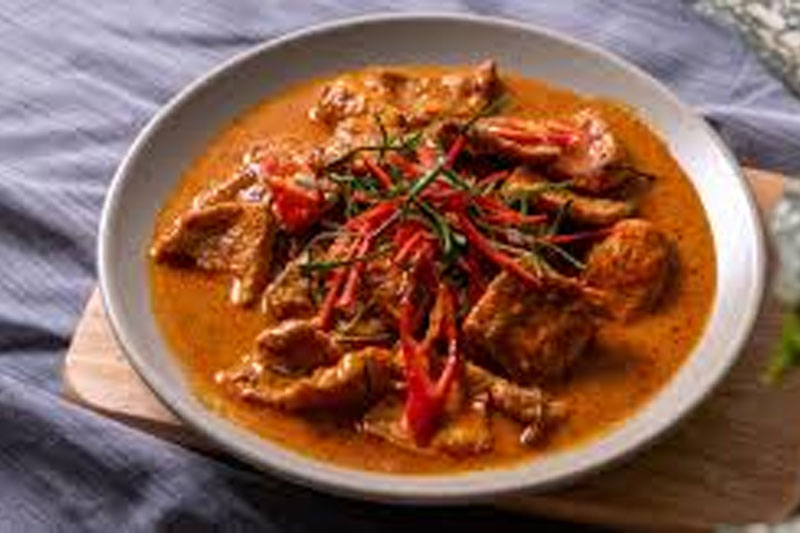
Phagshapa is a classic Bhutia delicacy made with pork, radish, and dried red chillies. Slow-cooked with simple spices, this hearty dish delivers bold flavours while reflecting the traditional mountain lifestyle of Sikkim's Himalayan communities.

Gundruk
Gundruk is a nutritious fermented leafy vegetable dish prepared from mustard, radish, or cauliflower leaves. Rich in probiotics and natural flavours, it has been a staple in Himalayan households for generations and is commonly served as soup or alongside rice.

Kinema
Kinema is a traditional fermented soybean preparation widely enjoyed in Sikkim. Its distinctive aroma and rich umami flavour make it a popular accompaniment to rice and vegetable dishes. Besides its unique taste, kinema is highly valued for its nutritional benefits.

Sel Roti
Sel Roti is a ring-shaped rice bread traditionally prepared during festivals, celebrations, and family gatherings. Crispy on the outside and soft inside, it is often enjoyed with potato curry, yogurt, or tea, making it one of the most cherished festive delicacies in Sikkim.
Authentic Drinks of the Himalayas
Sikkim's traditional beverages are closely connected to its climate, agriculture, and community traditions. From fermented millet drinks to soothing herbal teas, every beverage offers a unique taste of Himalayan hospitality.

Tongba
Tongba is one of the most famous traditional beverages of Sikkim. Prepared from fermented millet and served in a wooden container with warm water, it is slowly enjoyed through a bamboo straw, especially during cold Himalayan evenings.

Chaang
Chaang is another traditional fermented millet drink enjoyed during festivals and community gatherings. It has been part of Himalayan culture for centuries and symbolizes friendship, celebration, and hospitality.

Butter Tea
Butter tea is a warm Himalayan beverage made with tea leaves, butter, salt, and milk. Popular in high-altitude regions, it provides warmth and energy while reflecting Tibetan culinary influence on Sikkimese cuisine.

Herbal Tea
Prepared using locally grown herbs, ginger, lemongrass, tulsi, and mountain spices, herbal tea is widely enjoyed across Sikkim. Its refreshing taste and soothing aroma make it a favourite beverage throughout the year.

Fruit Juices
Seasonal fruits such as oranges, kiwi, and apples are transformed into refreshing juices enjoyed by both locals and visitors. These naturally sweet beverages showcase Sikkim's rich agricultural diversity.

Organic Coffee & Tea
Many cafés across Sikkim serve locally sourced organic tea and freshly brewed coffee alongside traditional snacks. These beverages offer visitors a relaxing way to enjoy the region's peaceful mountain atmosphere.
Fresh Himalayan Ingredients That Define Sikkimese Cuisine
The authentic taste of Sikkimese cuisine comes from locally grown vegetables, mountain herbs, fermented foods, dairy products, and traditional grains. These natural ingredients create wholesome meals that perfectly suit the Himalayan climate.
Fresh Vegetables
Seasonal vegetables such as radish, mustard greens, spinach, cabbage, potatoes, and wild leafy greens are widely used in traditional Sikkimese cooking. Their freshness and natural flavours form the foundation of many everyday dishes.
Millet, Rice & Buckwheat
Millet, rice, maize, and buckwheat have been staple grains in Sikkim for generations. These nutritious crops are transformed into breads, dumplings, porridges, noodles, and traditional beverages enjoyed throughout the year.
Churpi
Churpi is a traditional Himalayan cheese prepared from yak or cow's milk. Available in both soft and hard varieties, it is enjoyed as a snack, added to soups, or cooked with vegetables, making it one of Sikkim's most distinctive dairy products.
Herbs & Spices
Fresh ginger, garlic, coriander, Sichuan pepper, timur, chilli, spring onions, and locally grown herbs provide aroma and flavour to traditional recipes without overpowering the natural taste of the ingredients.
Fermented Foods
Fermented foods such as gundruk, sinki, kinema, and fermented bamboo shoots are essential elements of Sikkimese cuisine. These ingredients enhance flavour, improve nutrition, and have been preserved using traditional methods for centuries.
Wild Mushrooms & Bamboo Shoots
Wild mushrooms and tender bamboo shoots collected from the Himalayan forests are seasonal delicacies. Their earthy flavours add depth to soups, curries, stir-fries, and noodle dishes prepared in Sikkimese households.
The Journey of Traditional Sikkimese Cuisine
Authentic Sikkimese dishes are created through simple yet time-honoured methods that celebrate fresh ingredients, sustainable farming, and generations of culinary knowledge.
Fresh Local Harvest
Farmers cultivate organic vegetables, grains, herbs, and fruits across the fertile valleys and terraced fields of Sikkim. Seasonal produce forms the heart of traditional cooking.
Traditional Preparation
Ingredients are washed, chopped, fermented, dried, or ground using traditional kitchen techniques that preserve natural flavours and nutritional value.
Slow Cooking
Soups, curries, dumplings, and stir-fries are prepared using fresh ingredients, aromatic herbs, and gentle cooking methods that create wholesome Himalayan meals.
Sharing Together
Meals are traditionally enjoyed with family, neighbours, and guests, reflecting Sikkim's culture of hospitality, togetherness, and community celebrations.
Preserving Culinary Heritage
Traditional recipes continue to be passed down through generations, ensuring that Sikkim's rich culinary heritage remains an important part of everyday life and cultural identity.
Where to Experience Authentic Sikkimese Cuisine
Whether you're exploring bustling towns or peaceful villages, Sikkim offers countless opportunities to enjoy authentic Himalayan flavours prepared using traditional recipes and fresh local ingredients.
Traditional Local Restaurants
Family-run restaurants across Gangtok, Namchi, Pelling, Ravangla, and Lachung serve authentic Sikkimese meals prepared using recipes passed down through generations.
Homestay Dining
Many village homestays offer home-cooked Sikkimese meals prepared with fresh vegetables, local herbs, and traditional cooking techniques, providing visitors with an authentic culinary experience.
Street Food Markets
Local markets are excellent places to enjoy freshly steamed momos, thukpa, sel roti, churpi, and other popular snacks while experiencing Sikkim's vibrant food culture.
Food Festivals
Cultural festivals and local fairs showcase regional delicacies, traditional beverages, and seasonal dishes, allowing visitors to experience the diverse culinary heritage of Sikkim.
Discover the Flavours of Authentic Sikkimese Cuisine


Frequently Asked Questions
Sikkimese cuisine is famous for dishes such as momos, thukpa, phagshapa, gundruk, kinema, sel roti, churpi, and traditional millet-based beverages that reflect the Himalayan culinary heritage.
Popular foods include momos, thukpa, phagshapa, gundruk soup, kinema, sel roti, sha phaley, churpi, fermented bamboo shoots, and traditional noodle dishes.
Most traditional dishes are mildly spiced and emphasize the natural flavour of fresh ingredients. However, spicy chutneys and locally grown chillies are commonly served alongside meals.
Tongba and Chaang are among the most traditional beverages of Sikkim. Prepared from fermented millet, they are especially popular during winter and community celebrations.
Yes. Sikkim offers a wide variety of vegetarian dishes prepared with fresh organic vegetables, herbs, mushrooms, bamboo shoots, dairy products, and fermented ingredients.
Visitors can enjoy authentic local food at family-run restaurants, village homestays, traditional cafés, street food markets, monastery festivals, and cultural fairs across Sikkim.
Traditional recipes commonly use fresh vegetables, millet, rice, buckwheat, herbs, ginger, garlic, bamboo shoots, fermented foods, mushrooms, dairy products, and locally grown spices.
Sikkimese cuisine is unique because it combines organic farming, Himalayan ingredients, and the culinary traditions of several ethnic communities, creating wholesome dishes that reflect the state's culture and natural environment.
Discover More About Sikkim's Culture & Heritage
From steaming momos and comforting thukpa to traditional millet beverages and organic Himalayan ingredients, Sikkimese cuisine offers a memorable culinary journey for every traveller. Explore local restaurants, village homestays, and cultural festivals to discover the true taste of the Himalayas.